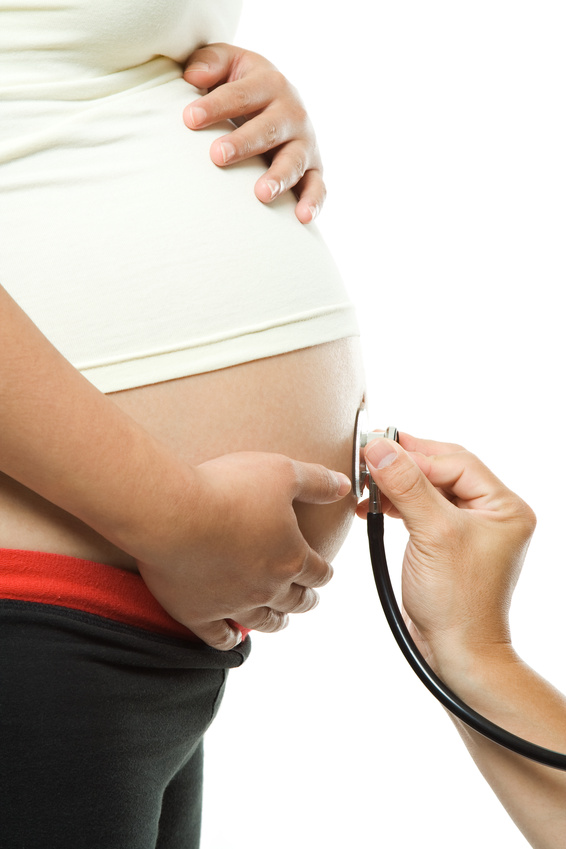
Having a baby can be a great source of joy, however sometimes some people need help getting pregnant. Often it is often not as easy as they first thought it would be – especially if they have been trying for some time.  It’s ironic when you consider that we spend most of our adult lives trying not to get pregnant only to find that we need help getting pregnant. Because of this we often think that getting pregnant will be easy.

Surprisingly, 1 in 6 couples find it difficult to get pregnant. The thing is that our bodies are complex and needs to be optimized to be able to get pregnant.  Do a few things wrong and achieving a pregnancy can be illusive. If you are considering having a baby or feel you need help getting pregnant, you should start preparing both you and your partners bodies for conception beforehand.  Not only will this help you will have healthy baby and prevent birth defects, it will also significantly boost your fertility.

If you are experiencing difficulty achieving conception and feel you need help getting pregnant, you must follow some techniques and strategies like avoiding toxins, eating the right foods, having the right nutritional supplements and knowing when and often you should try to conceive. Surprisingly, do any one thing wrong and you could seriously impact your chances of conception. [click to continue…]

preconception advice

{ Comments on this entry are closed }

causes of infertilityThe causes of infertility can be complex but are more common that what one might think. It is estimated that one in six couples experience infertility. Infertility is defined as the failure to conceive after having had regular unprotected intercourse over 12 months. The causes of infertility are varied but studies have found that around 40% of the problems related to infertility are related to the female, 40% to the male, while 20% of cases are unexplained.

The irony of infertility is that most people spend the better part of their lives trying to avoid getting pregnant, only to find out later that there may be problems in trying to conceive.

Various causes of infertility in women may include:

  • Ovulation disorders
  • Hormone imbalance
  • Endometriosis
  • Ovarian cysts
  • Blocked fallopian tubes
  • Fibroids or polyps
  • Scar tissue, adhesion’s or evidence of earlier infections
  • Polycystic Ovarian Syndrome (PCOS)
  • Low progesterone levels
  • Sexually transmitted diseases and pelvic infections
  • Hostile mucus
  • Ageing

Identifiable factors which may be causes of infertility in males include:

  • Abnormal sperm including low sperm count, poor sperm motility and poor sperm morphology
  • Anti-sperm antibodies
  • Vasectomy and vasectomy reversal
  • Sexually transmitted diseases
  • Damage to the testes
  • Ejaculation problems
  • Sperm blockage
  • Hormonal imbalance
  • Varicocele
  • Aging

Western Medicine

Western medicine can help overcome many of these problems. However, many treatments such as IVF or In Vitro Fertilization are quite expensive and may have side effects. In some cases, additional treatment may be required to cure the side effects.

In IVF and ICSI (Intracytoplasmic Sperm Injection) eggs are collected from follicles in the ovary via surgical procedure. They are then transferred in-vitro (outside the womb) so that they can be fertilized by the sperm to form an embryo. Once successfully fertilised, the embryo is then transferred back inside the women’s uterus 2-5 days later.

IVF is often suggested when natural methods fail to give results. It should be noted that before extracting eggs, the woman generally takes several hormones to help stimulate the ovaries into producing and maturing more eggs than what would normally be released naturally. Although the IVF process aims to replicate nature, the process of taking eggs from the ovaries, fertilizing them in an outside laboratory and putting them back in the uterus is not natural and involves the use of artificial stimulants.

In the normal process, the human body helps pave the way for only the most healthiest of sperm to make their way to the egg and penetrate it but in the artificial process, the decision is made by an embryologist. Whilst a lot is known about sperm and what healthy sperm looks like, it does not mean that the sperm chosen will be the healthiest one that is picked. This is because scientists still have gaps in their knowledge about sperm and are still undertaking further research on this topic.

Alternative Therapies

Some alternative techniques are fast becoming popular in order to cure the problem of infertility. These techniques are often more preferred as they have less or no side effects at all. Acupuncture, for example, is very effective in cases where female infertility has been caused by some kind of malfunction of the ovary.

In the alternative treatment techniques, diet and lifestyle changes are very important. Regular intake of caffeine from beverages like coffee, chocolate, cocoa, green tea (containing caffeine), black tea and colored soft drinks is believed to have harmful effects on conception. According to a study, one and a half cups of coffee for a woman who is trying for pregnancy is likely to delay conception. Thus, it is recommended that coffee is avoided for people who suffer from infertility.

Good results for the treatment of infertility have also been reported through holistic approaches such as Chinese medicine, acupuncture and reflexology. These alternative approaches suggest that a natural remedy and a way of life that can really solve the problem as soon as the real cause is determined.

A. Anderson is a researcher and writer on infertility and IVF. She has in depth knowledge on the subject after having personally undergone IVF at a world leading clinic and having undertaken alternative methods such as Traditional Chinese Medicine, Naturopathy and Acupuncture. To find out more information about holistic treatments check out Pregnancy Miracle.

Article Source: http://EzineArticles.com/?expert=A._Anderson

Various natural treatments to overcome the causes of infertility and get pregnant quickly can be found in this helpful ebook about getting pregnant naturally.

preconception advice

{ Comments on this entry are closed }

tips on getting pregnantIf you are thinking of having a baby, here are some tips on getting pregnant. Firstly, you should putt some planning into it before you actually conceive.  Some key considerations prior to getting pregnant are your general health, your relationship, and your finances.  By focusing on these aspects of your  life you may find everything runs a little smoother and you have a lot less stress later on.

Twelve Months Before

Start considering private health insurance.  If you go into the private health system, you will need to be insured for at lest 12 months before you actually get pregnant.

Six Months Before

If you are underweight, overweight or obese, you might want to start trying to achieve a healthy weight.  If you fall outside your healthy weight range, your ability to conceive may be hindered.

You should also start thinking about the risks associated with getting pregnant – particularly if you are older.  Having a baby at age 40 means you have a one in ninety chance of having a baby with Down Syndrome while at age 35 the risk decreases to one in 355.

There is also a risk that you could be one of the 15% of couples who have trouble conceiving.  Talk to your partner about how you both might handle that if it this were to occur.

Money pressures can also be a major source of stress in relationships.  It is therefore a good idea to discuss how you’ll both manage with less money.  Perhaps it is worth saving some money for the future.

It also worth considering if you both want to have a child together at the same time. Often, one person might want a child sooner than the other so its essential to ensure you both on the same page.

The irony is that usually you spend years trying to avoid a pregnancy only to find that it doesn’t always happen as quickly as you first imagined.  As you continue down this path, the efforts you both take towards trying to achieve pregnancy can be stressful.

Finally, in the six months leading up to your planned conception attempts, its a good idea to have a check up.  Tell your doctor about your plans and any possible health problems, your own or hereditary, that may affect your ability to conceive or achieve a pregnancy.

For more tips on getting pregnant, check out this amazing book that has some suprising information on improving fertility.

preconception advice

{ Comments on this entry are closed }

 increase chances of conceptionThinking of trying to conceive and want to increase chances of conception? To maximise your chances of having a healthy baby, start planning for conception at least 3 months beforehand.  Not only will this make conception easier, it will also help you have a healthy baby with no birth defects. Some good ideas to get started are listed below.  Following some of the tips here will help ensure you have a healthy baby and reduce the chances of any birth defects.

See your GP for Advice to Increase Chances of Conception:

  • Have a pap smear
  • Explore getting immunized against chicken pox. Contracting chicken pox not only puts you at risk during pregnancy, it can also cause serious birth defects.
  • Get your immunity for Rubella checked. While most women where immunised against Rubella at school, by the time you decide to have a baby your immunity might be low. Your GP can check this by doing a simple blood test and immunise you again if you need it.  However, if you have had a rubella shot, you should wait at least 3 months before conceiving.

Increase chances of conception by:

  • Stopping smoking – both you and your partner
  • Reduce your alcohol intake
  • Adopt some natural holistic treatments to prime your body for conception

Take Vitamin Supplements:

  • Take at least 500mg of folic acid a day.  This is particularly important in the 12 weeks leading up to conception as well as the 12 weeks following conception. Why?  Folic Acid reduces the risks of  developing neural tube defects that could affect the development of your baby’s brain and spine.  Folic acid can also be found in brocoli and in green leafy vegetables such as spinach.
  • Start charting your your menstrual cycle so you start to understand the most likely times when you are ovulating.

See your dentist:

  • Have your much needed check-up befor you start trying to conceive.  Remember, x-rays are not advised when you are pregnant so why not get checked out sooner rather than later.

Click here to find some more great tips to help you get pregnant and help increase chances of conception


preconception advice

{ Comments on this entry are closed }

Some simple guidelines about best positions to get pregnant when thinking about conception are:

1. Remember the law of gravity – help sperm swim up your fallopian tubes either by lifting your bottom or legs up in the air, or leaning your legs against the wall. Alternatively you could put your feet up against the bedhead and stick a pillow under your hips.
2. Accept the Mission – the missionary position enables deep penetration close to your cervix which actually gives sperm a little extra help when they swim for your egg.
3. Rest in bed – After your partner ejaculates, lie on your side and draw your knees to your stomach and stay in bed for as while. It’s a good idea not to fight gravity by getting out of bed straight away.
4. Have an orgasm – A post-coital study confirmed that women who had orgasms retained more sperm than those who didn’t. It’s all to do with the sperm-moving muscular contractions you experience during an orgasm.  A good excuse to get some extra special attention from your man.
5. Stay Behind – An alternative is to have intercourse with your partner behind you. This style is guaranteed to get your partner’s sperm to the cervix.  If this simply isn’t your style, laying side by side as you have intercourse is also another good position.

If you have tested these positions to get pregnant and have still had no luck, then it you need to consider making some lifestyle changes to help you conceive.

preconception advice

{ 3 comments }

Your Fertility Cycle and Conception

Fertility Cycle

Once of the first steps in knowing how to get pregnant is to understand your fertility cycle.  This sounds like a simple thing but it is amazing how many women do not really understand their menstrual cycle. The reason for this of course is that most of us spend many years trying to avoid getting [...]

Read the full article →

IVF, IUI and ICSI 3D Animated Videos

fertility treatment options

If you have been actively TTC’ing for over a year with no success, your doctor has probably suggested some sort of fertility testing and treatment.  He or she may have even recommended moving forward with IVF (In-Vitro Fertilization), an IUI (I…

Read the full article →

Help Getting Pregnant – 5 Top Tips On Getting Pregnant Fast

Help Getting Pregnant

Help Getting Pregnant – 5 Top Tips On Getting Pregnant Fast Do you need help getting pregnant? Advice is always easy to give; no matter if you are trying to get pregnant or you just want to find out how to boost your fertility. But, the real question is, do you know how your body [...]

Read the full article →

Help Get Pregnant Naturally

Help Getting Pregnant

Help Get Pregnant Naturally It’s a sad fact that 92% of the women who use conventional treatments to increase their chances of conceiving fail to get pregnant and sometimes even end up worse than when they started. The reality is that current “help get pregnant” thinking is very focused on either drug related therapies and [...]

Read the full article →

Help getting pregnant after 40 in 5 Possible Methods

Help Getting Pregnant

Help getting pregnant after 40 in 5 Possible Methods Help getting pregnant after 40 is easy to accomplish and possible with much success. Without spending your hard-earned savings on costly drugs, there is easy and quick ways to help getting pregnant after 40 without life-threatening surgery and no complicated treatment. By using natural and simple [...]

Read the full article →